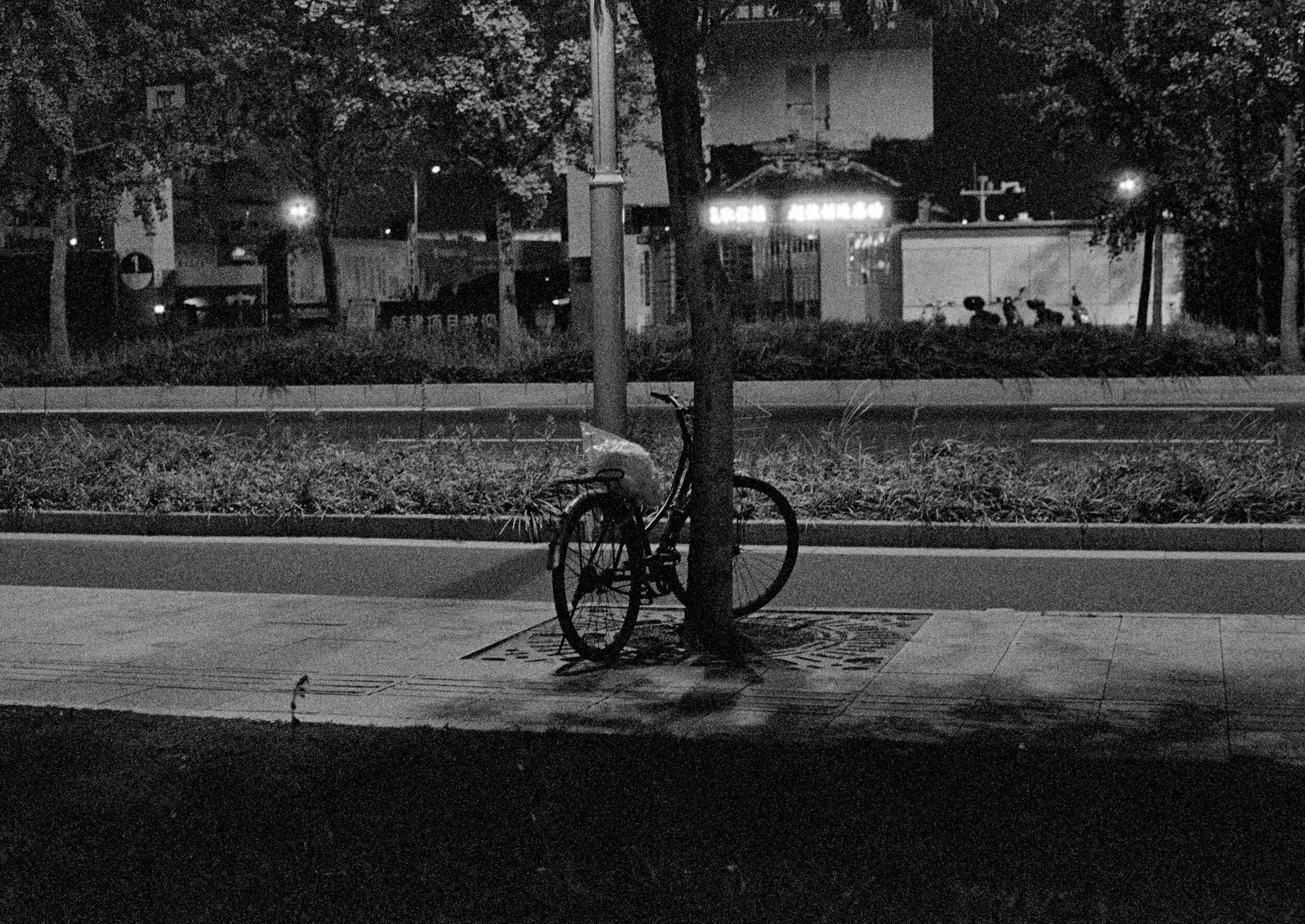
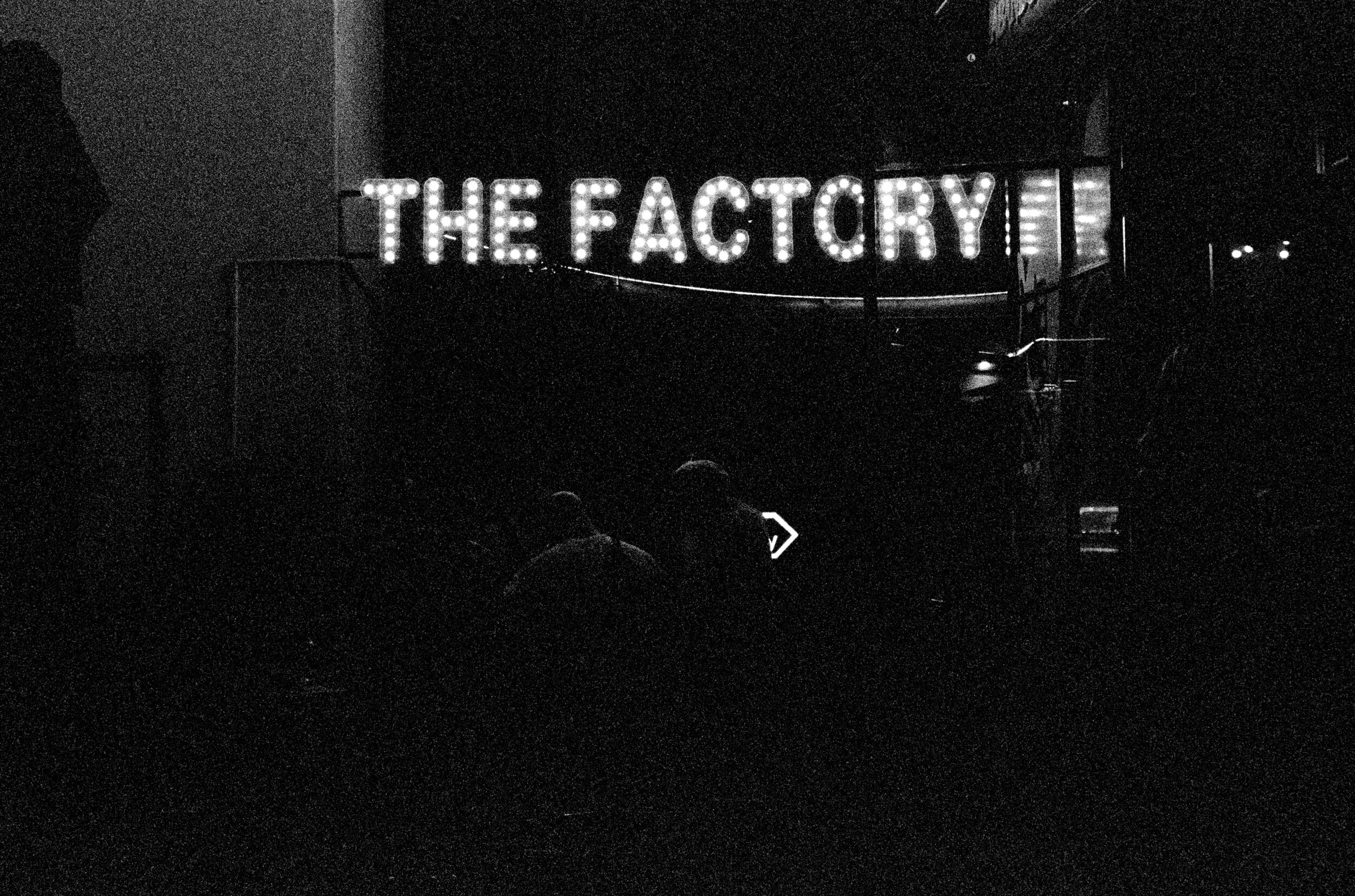
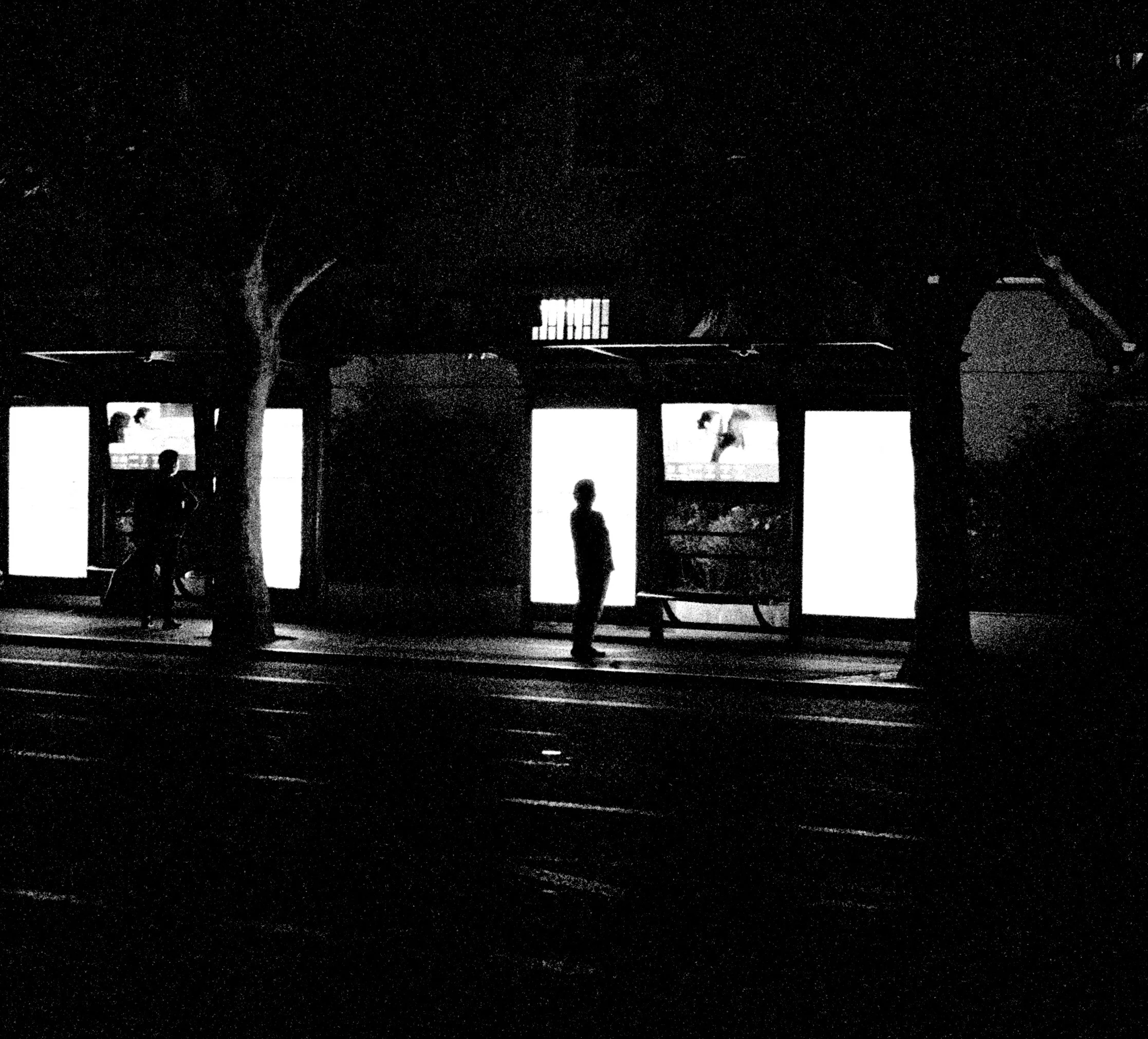
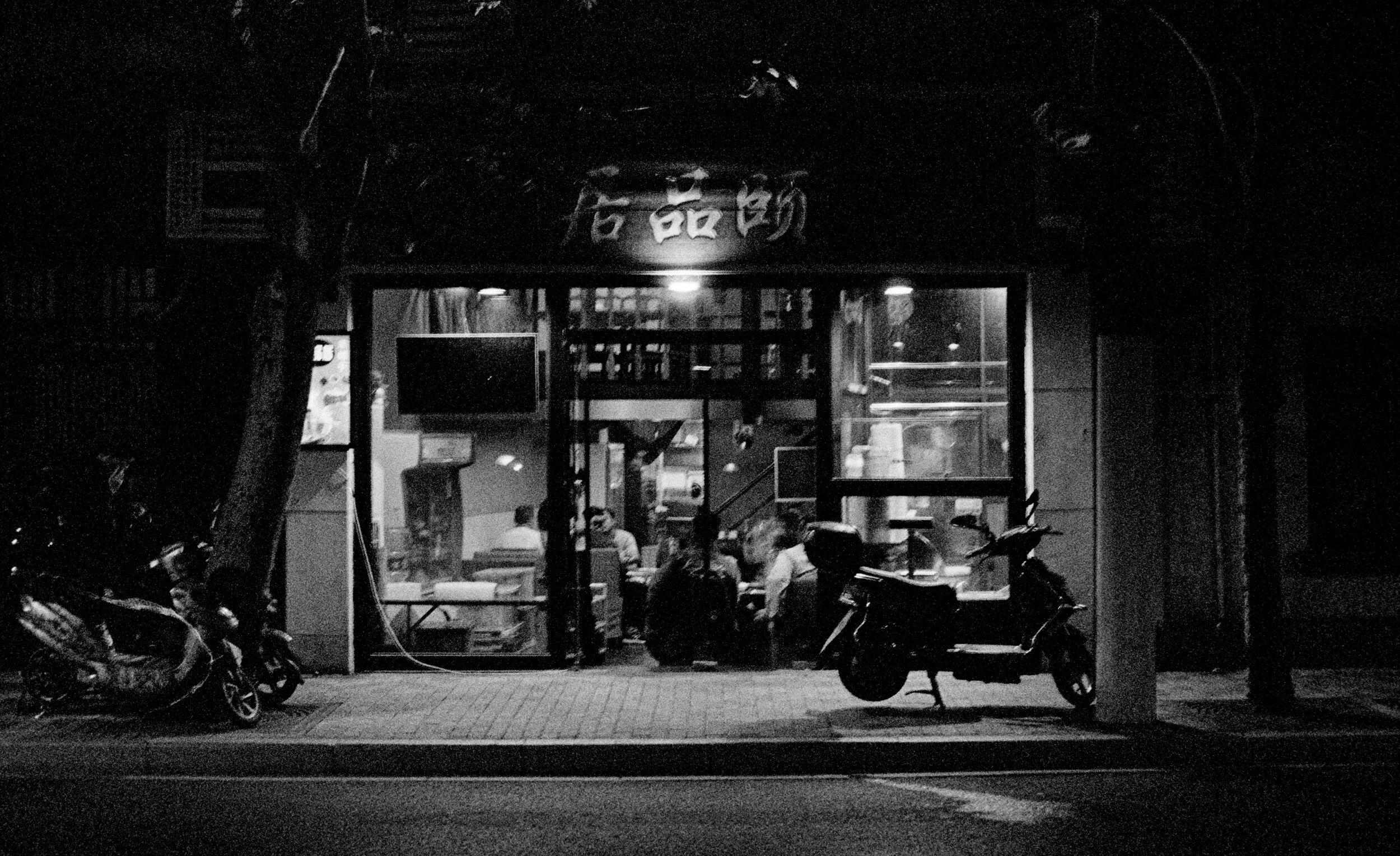
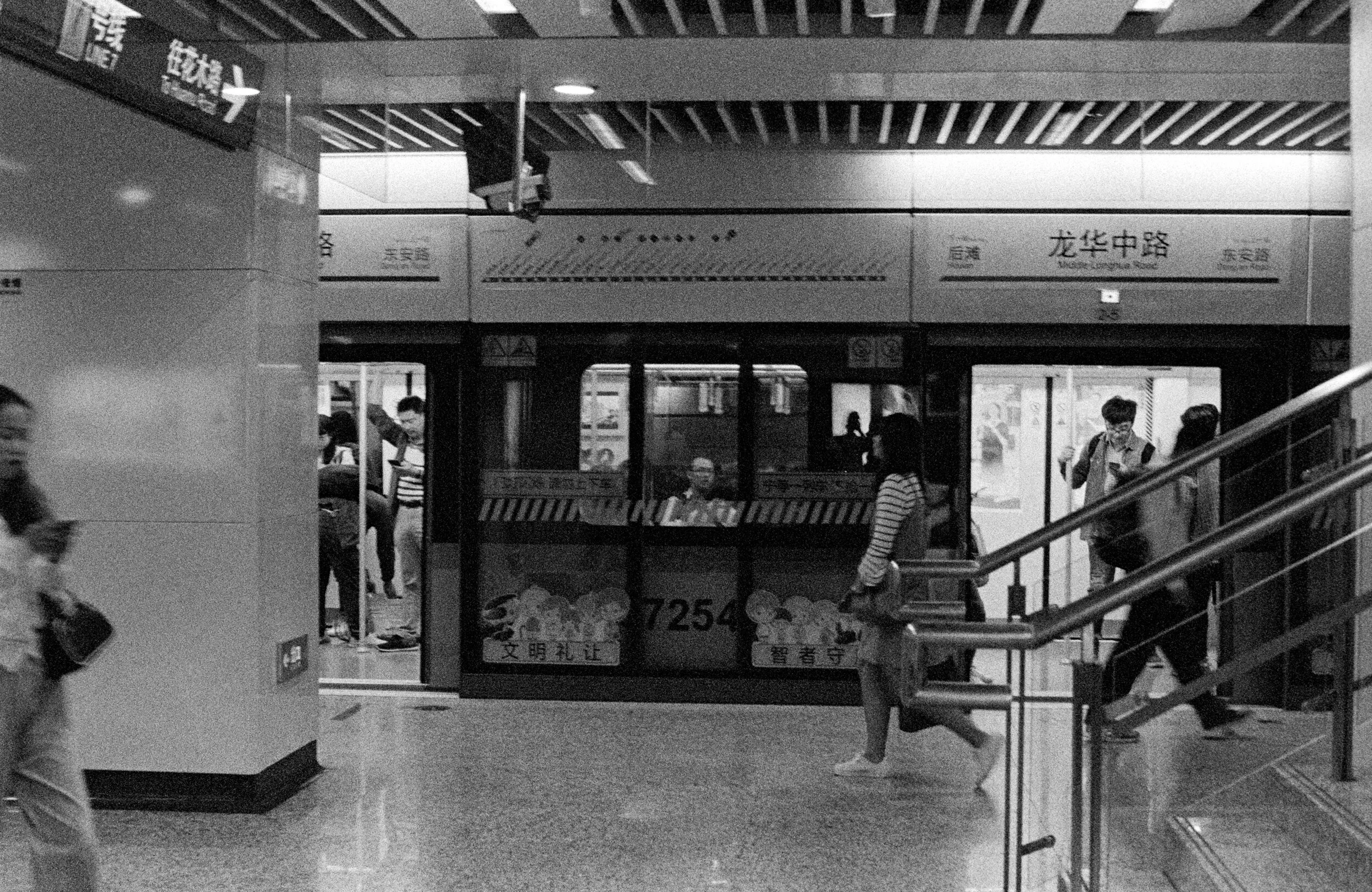
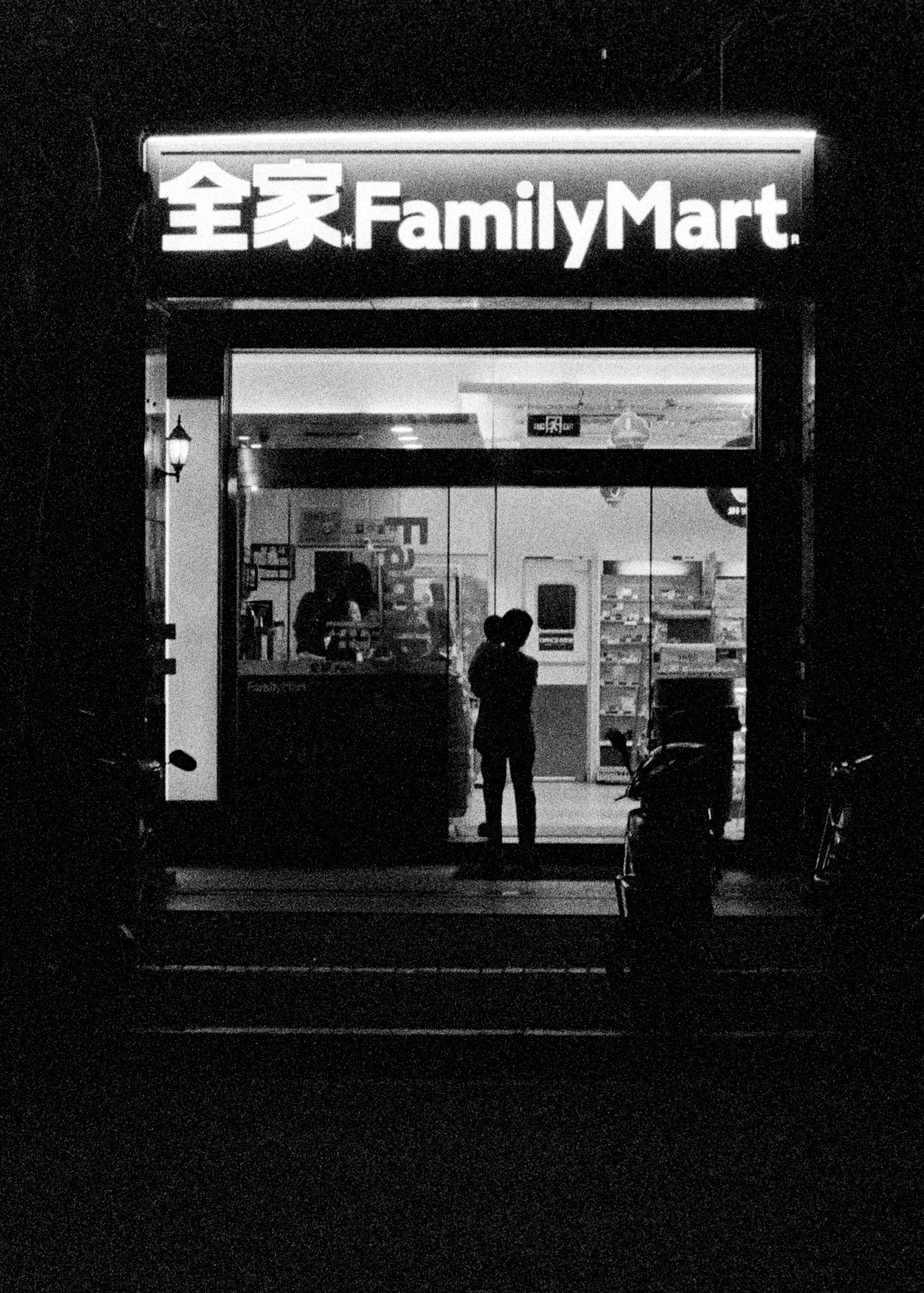
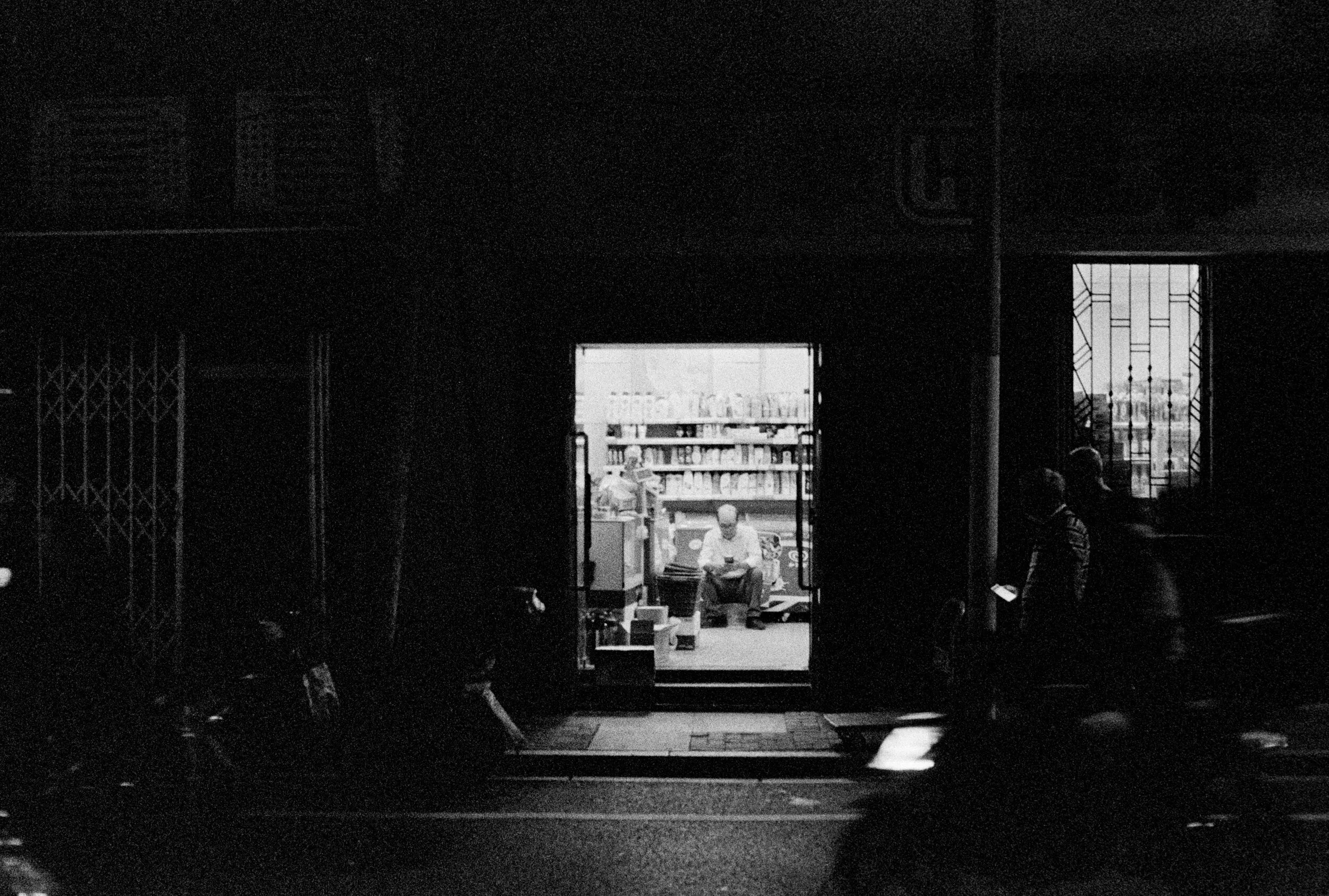
Just FYI, I’ve begun using a naming series for my developer experiments. “EX” prefix (Earlz eXperiment), then developer “series”, then developer version, then finally (if relevant) print number. So for instance the print above is “EXA3C”. Developer series “A” (glycin+HQ paper lith), 3rd iteration, 3rd (C) print in the mix.
I’ve decided to try using some Glycin in this lith developer. It was made into a solution by dissolving 10g of glycin into ~180ml of TEA (triethanolamine). The idea behind it is that glycin should be a very soft-working developer capable of very nice highlight gradation, while also being (unconfirmed?) mildly superadditive with HQ and supposedly can function as a preservative/regenerator for developing agents. Thus far my experiments with it is interesting, but not really super lith-like. There is definitely an infectious development aspect happening, but it otherwise does not behave much like a lith developer, at least with this “non-lithable” paper choice. It’s fairly fine grained, higher contrast, and with subtle coloration.
The formula used:
(Pre-soak print for 1m before development to swell emulsion and remove incorporated developers)
2L of water (slightly warmer than room temp, about 80F)
10ml HQTEA 20%
15ml of Glycin-TEA 6%
12ml Sodium Sulfite 10%
25ml Benzotriazole 1%
2ml Potassium Bromide 10%
30ml Potassium Carbonate 30%
10ml Sodium Hydroxide 3%
(2 prints processed before above print was made)
Ingredient considerations:
HQTEA — I’ve found that too much HQTEA in developer with this much alkaline is actually too active, so I think 10ml here is the ideal amount. Previous tests used less and didn’t produce good blacks
Glycin-TEA — This is an interesting and unique developing agent. The initial idea behind using it was to improve highlight gradation and also improve the evenness of development. At both aspects it seems to excel, though requires careful formulation. Too much glycin in relation to HQ seems to “steal” development from the HQ and will not produce proper blacks, but beautiful soft highlights. Too little will cause unevenness in this formulation.
Sulfite — I was hoping that Glycin would allow me to significantly reduce the amount of sulfite, but this does not hold. Less than 5ml per 2L will quickly develop a red film and lose HQ activity and thus not develop proper blacks. Up to 15ml still exhibited decent infectious development
Benzotriazole — This ingredient is especially interesting. Adding Benzotriazole seemed to reduce highlight speed, without affecting black buildup. I believe this is because Benzotriazole will significantly reduce the activity of either HQ or Glycin (or both), but does not affect the infectious development action of HQ once it begins to take off. Previous tests with Benzotriazole before adding Glycin seems to indicate it will slow down highlight development of HQ, though once highlights are in place it won’t slow down infectious development. In the end, this I guess makes sense why it amplifies the uneven development problem. The edges will naturally develop a bit faster, and the benzotriazole will make center highlights come up slower compared to edge shadows once edge highlights are in place. This problem seemed to mostly go away with the addition of Glycin though, indicating I think that Glycin’s induction period is not very affected by even massive Benzotriazole additions. So, once Glycin gets the highlights into place then HQ will take over to develop the blacks more quickly than the HQ would otherwise touch highlights. This is still a big balancing act and over exposed/lower contrast results still have some uneven development, but this discovery I think is important in finding something more general purpose
Potassium Bromide — Bromide seems to do the opposite of Benzotriazole. Bromide will slow down overall development and especially infectious development. Some is required to keep development times reasonable, but really quite little should be used here. A surplus of bromide will cause the color to tilt toward olive green and erode blacks.
Potassium Carbonate — I wanted a more stable alkali than hydroxide
Hydroxide — With only carbonate in previous tests I didn’t quite get fast enough development nor good infectious blacks. With a bit of hydroxide addition this seemed to go away yet remained stable until the HQ oxidized. I think the Hydroxide helps the developer get over a “hump” in pH but to remain fairly stable afterwards
Overall, this is a really interesting developer begging for more testing. In the formulation here the evenness of development was quite good, highlights develop at different rates than shadows, and overall gradation is very interesting. There is some contrast control capability, but not nearly as flexible as with proper lith printing. With more exposure on the print before the one above there was definitely less contrast, but also more tendency for uneven development and low midtones seemed to race toward black more quickly than I’d like, while highlights remained fairly slow to develop. Development time is fairly short in these tests, around 2-5 minutes depending on exposure level and how many prints have been run. I think future direction will be increasing the Glycin and benzotriazole amount more while leaving the rest alone. I also want to see if I can reduce the alkali. I have a theory that HQ can’t penetrate the emulsion without high pH levels, but Glycin can and this makes a pathway for HQ to take over even at lower pH after glycin develops the initial highlights and such.
Reference image, MGV RC developed in Ansco 130 and printed with no contrast filter, f/11, 2s